

Size Range
| 0.30+ | 0.30 to 0.399 |
|---|---|
| 0.40+ | 0.40 to 0.499 |
| 0.50+ | 0.50 to 0.699 |
| 0.70+ | 0.70 to 0.899 |
| 0.90+ | 0.90 to 0.999 |
| 1.00+ | 1.00 to 1.249 |
| 1.25+ | 1.250 to 1.499 |
| 1.50+ | 1.50 to 1.749 |
|---|---|
| 1.50+ | 1.750 to 1.999 |
| 2.00+ | 2.00 to 2.499 |
| 2.50+ | 2.50 to 2.999 |
| 3.00+ | 3.00 to 4.999 |
| 5.00+ | 5.00 to 9.999 |
Clarity
Clarity is a term used for describing the number and size of inclusions in a diamond. Inclusions are mainly traces of non-crystallized carbon that may appear on the diamonds internally or externally. A flawless diamond contains no inclusion and is considered extremely rare and valuable. Large inclusions affect the brilliance of the stone as they interfere with the dispersion of light.
We grade diamonds on the basis of purity by determining following categories:
| FL | Flawless |
|---|---|
| IF | Inernally Flawless |
| VVS1 | Very Very Slightly Included-1 |
| VVS2 | Very Very Slightly Included-2 |
| VS1 | Very Slightly Included-1 |
| VS2 | Very Slightly Included-2 |
|---|---|
| SI1 | Slightly Included-1 |
| SI2 | Slightly Included-2 |
| SI3 | Slightly Included-3 |
| I1 | Included -1 |
Color
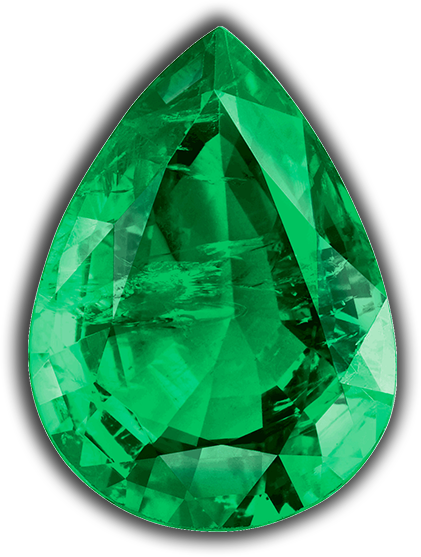
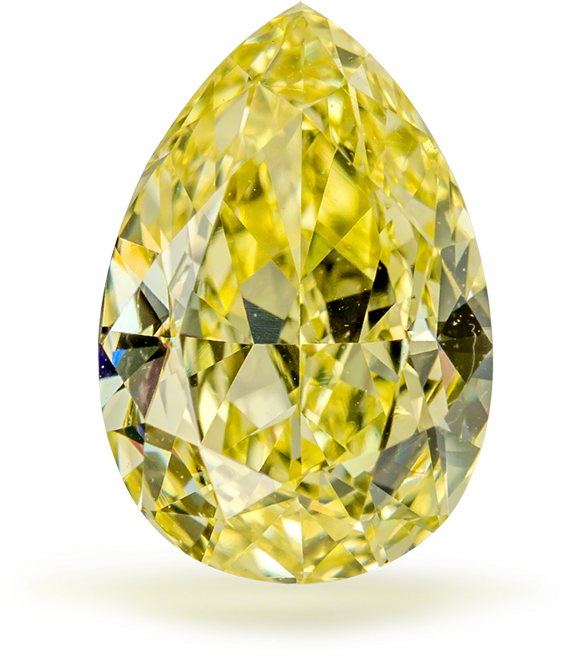
Diamonds close to being colorless are more rare and valuable. Diamonds that display little color allow more light to pass through, resulting in a burst of brilliance. On the basis of color, diamonds are allocated a grade, starting with D grade (for colorless diamonds) and ending in a Z+ grade. Some diamonds are also found in vivid colors such as red, blue and pink.
| D E F |  |
Flawless |
|---|---|---|
| G H I J |  |
Inernally Flawless |
| K L M |  |
Very Very Slightly Included-1 |
| N to R |  |
Very Very Slightly Included-2 |
| S to Z |  |
Very Slightly Included-1 |
Fancy
Cut
Cut gives a unique sparkle and brilliance to diamonds. Cut quality depends on the craftsmanship of the diamond cutter. If a diamond has perfect color and clarity but the cut is poor, it will lose its brilliance.
We grade diamonds on the basis of cut by determining following categories:
| EX | Excellent Cut |
|---|---|
| VG | Very Good Cut |
| G | Good Cut |
| F | Fair Cut |
Polish
Polish mainly describes the smoothness of the facets in a diamond. This is the last step in the diamond cutting procedure. Brilliance of a diamond can be enhanced with a smooth polishing of the facets.
Diamonds are graded on the basis of polish by determining following categories:
| EX | Excellent Polish |
|---|---|
| VG | Very Good Polish |
| G | Good Polish |
| F | Fair Polish |
Symmetry
Symmetry refers to the alignment of the facets (surface conditions) in a diamond. Each facet needs to be of a consistent size and positioned opposite the corresponding facet. Poor symmetry misdirects the light that enters the diamond.
Diamonds are graded on the basis of polish by determining following categories:
| EX | Excellent Symmetry |
|---|---|
| VG | Very Good Symmetry |
| G | Good Symmetry |
| F | Fair Symmetry |
Heart & Arrows
An impeccable round diamond with perfect angles is called ‘Heart and Arrows’ (H&A). These diamonds are graded with extra specifications under SGS. They are not included in the regular cut criteria as H&A diamonds are considered better than the most excellent cut diamonds.
| N | None |
|---|---|
| EX | Excellent H&A |
| VG | Very Good H&A |
| GOOD | GOOD H&A |
| F | Fair H&A |
Luster
Luster and brilliance are two most valued attributes of a diamond. Luster describes a diamond’s fire and sparkle. Milkiness is mainly a hazy inclusion in the diamond that appears white or grey in color. This haziness affects the brilliance of a diamond. Depending upon the light reflected from the stone, SGS grades diamonds on the basis of three levels of luster, and three levels of milkiness:
Level of Brilliance:
| EX | Excellent Luster |
|---|---|
| VG | Very Good Luster |
| G | Good Luster |
Fluorescence
When exposed to ultraviolet radiations, a diamond glows if it carries the characteristic of fluorescence. Black light is the most common source of UV exposure in which many diamonds give off a glowing blue coloration.
SGS grades diamonds based on the level of fluorescence present in them:
| N | None Fluorescence |
|---|---|
| FNT | Faint Fluorescence |
| MED | Medium Fluorescence |
| STG | Strong Fluorescence |
| VST | Very Strong Fluorescence |
White Inclusion
Diamonds are graded on the basis of five types of Inclusions. Pin Points (PP), Clouds (CLD), Crystals (CRL), Feathers (FR) and Spreaded (SPR).
Pin Point (PP): It is a small crystal that looks like a tiny dot when using a 10x loupe. Generally, pin points are white in color; however, they can also be found in a dark color.
Clouds (CLD) : This consists of various tightly grouped pin points. Some are quite dense (impossible to see with the naked eye) whereas others look like a light haze.
Crystal (CRL):It is a mineral crystal contained in some diamonds. Crystals can appear alone or in groups and they can be of any size and color.
Feather (FR):This is a general term used for any break in the diamond.
Spreaded (SPR):This appears when the feather inclusions are in a greater number. They are spread across and not grouped together.
| N | None |
|---|---|
| PP1 | Pin Point Minor Inclusion |
| PP2 | Pin Point Medium Inclusion |
| CLR1 | Crystal Minor Inclusion |
| CLR2 | Crystal Medium Inclusion |
| SPR1 | Spreaded Minor Inclusion |
| SPR2 | Spreaded Medium Inclusion |
| SPR3 | Spreaded Heavy Inclusion |
|---|---|
| FR1 | Feather Minor Inclusion |
| FR2 | Feather Medium Inclusion |
| FR3 | Feather Heavy Inclusion |
| CLD1 | Cloud Minor Inclusion |
| CLD2 | Cloud Medium Inclusion |
| CLD3 | Cloud Heavy Inclusion |
BLACK INCLUSION (NATTS)
As compared to the total inclusions, we grade diamonds on the basis of black inclusions by determining the following categories:
We grade diamonds on the basis of black inclusions as compared to the total inclusions by determining the following categories:
| N | None |
|---|---|
| BPP | Pin Point Black Inclusion |
| B1 | Minor Black Inclusion |
| B2 | Medium Black Inclusion |
Open Inclusion
Open inclusion is a small, shallow opening on the surface of a diamond, often found near the girdle, culet or facet junctions.
grades diamonds with open inclusions as mentioned below:
| N | None Fluorescence |
|---|---|
| HL | Hair Line Open Inclusion |
| SM | Small Open Inclusion |
| MD | Medium Open Inclusion |
| HV | Heavy Open Inclusion |
Extra Facet
It is an extra facet that is placed on a diamond’s normal facet without considering the symmetry of the stone. These are additional to the facets required for making a brilliant cut diamond.
| N | None |
|---|---|
| SM | Small Extra Facet |
| MD | Medium Extra Facet |
| HV | Heavy Extra Facet |